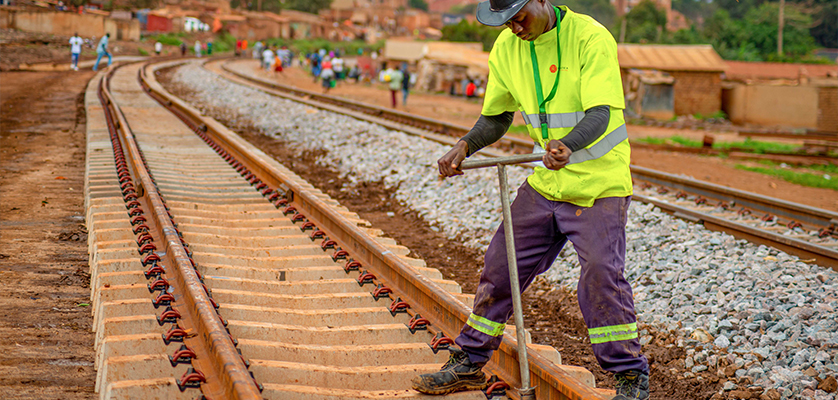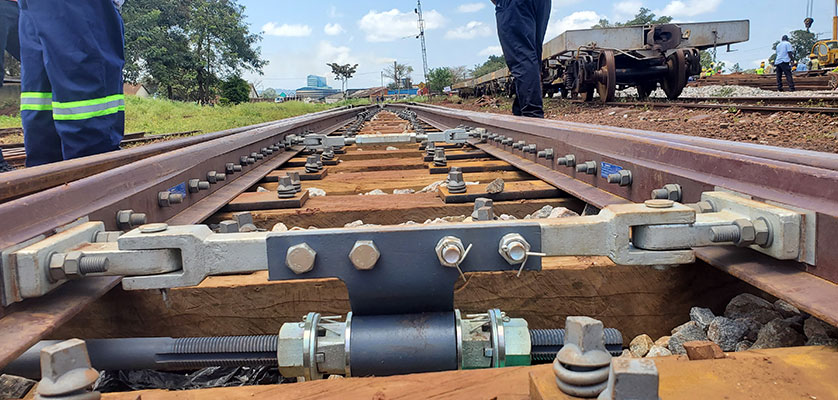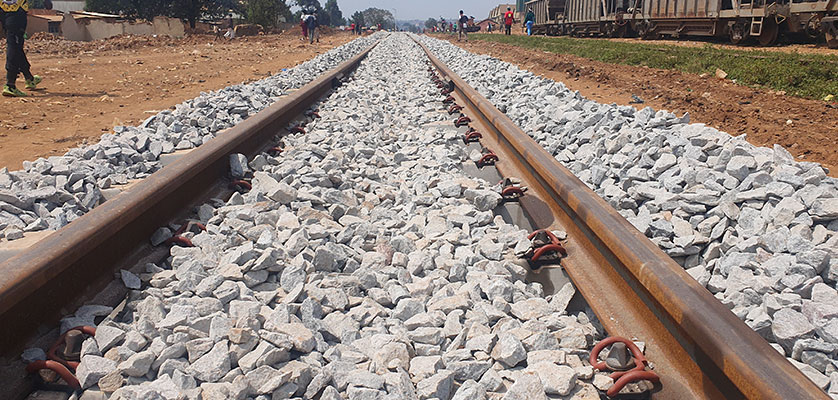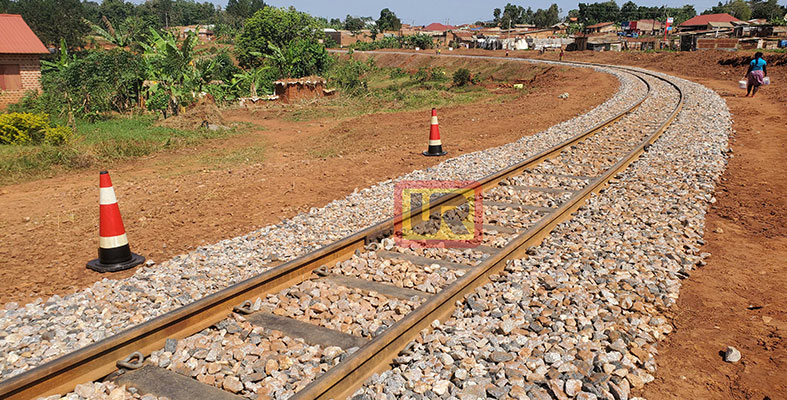
Tororo-Gulu railway works are over 44.45% completed. The supply of track materials (including ballast) has reached 82.78% completion. Overall, the total completed works account for 62.5% of the contract value, with financial progress recorded at 65.6%. The project is expected to be completed early next year.
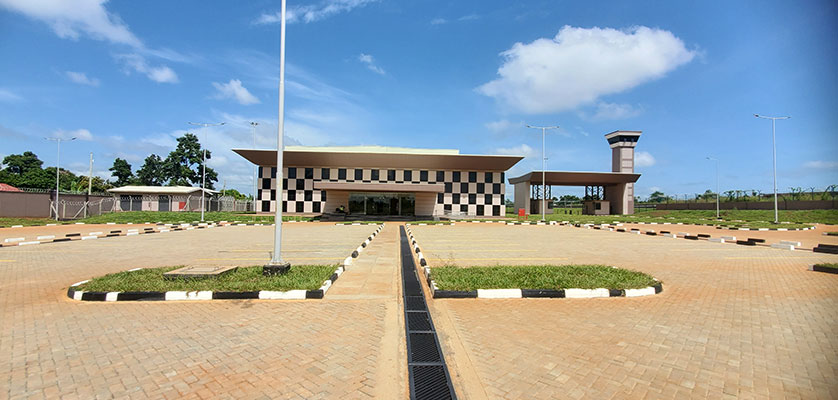
The 375km railway line runs through seven districts including Mbale City, Soroti, Lira and others, before terminating at the Gulu Logistics Hub, designed to facilitate transportation, consolidation, collection, distribution, and separation of goods for national and international transit, completion of the railway rehabilitation works is expected by February 2026.
Investing in the line, all the way to the Gulu logistics hub, and through to the borders, is a key economic enablement tool, that will specifically position Uganda as a strategic logistics hub, and increase the country’s export competitiveness.
The entire economy of Northern Uganda will equally be unlocked, turning a previously struggling region into an export / import route to South Sudan and Eastern DRC, hence greatly impacting on the growth of the private sector across the country.
The line will also enhance the key value chains including agricultural products, cement, oil and gas, mining as well as industrial products, from which Uganda earns at least $0.5b now, for supplying unprocessed goods.
The line will also provide a link between the port of Mombasa and the Northern and Eastern parts of Uganda, as well as South Sudan and the Democratic Republic of Congo. It should be noted that the Northern Line from Tororo to Gulu has been dysfunctional for more than 20 years, leaving the logistical freight burden to the roads sector.
And as it traverses across the seven districts to Gulu, local economies of those districts will likewise be impacted through stimulation of trade, agriculture and agro-processing, growth of industries, urban centers and towns, and creation of jobs for the youth and women.
Remember, the districts along the stretch of the railway line, have since the colonial days been predominantly agricultural, mainly growing cotton, millet, tobacco, vegetables and fruits among many others, which have since been abandoned due to lack of reliable cheap means for transporting them to the market.